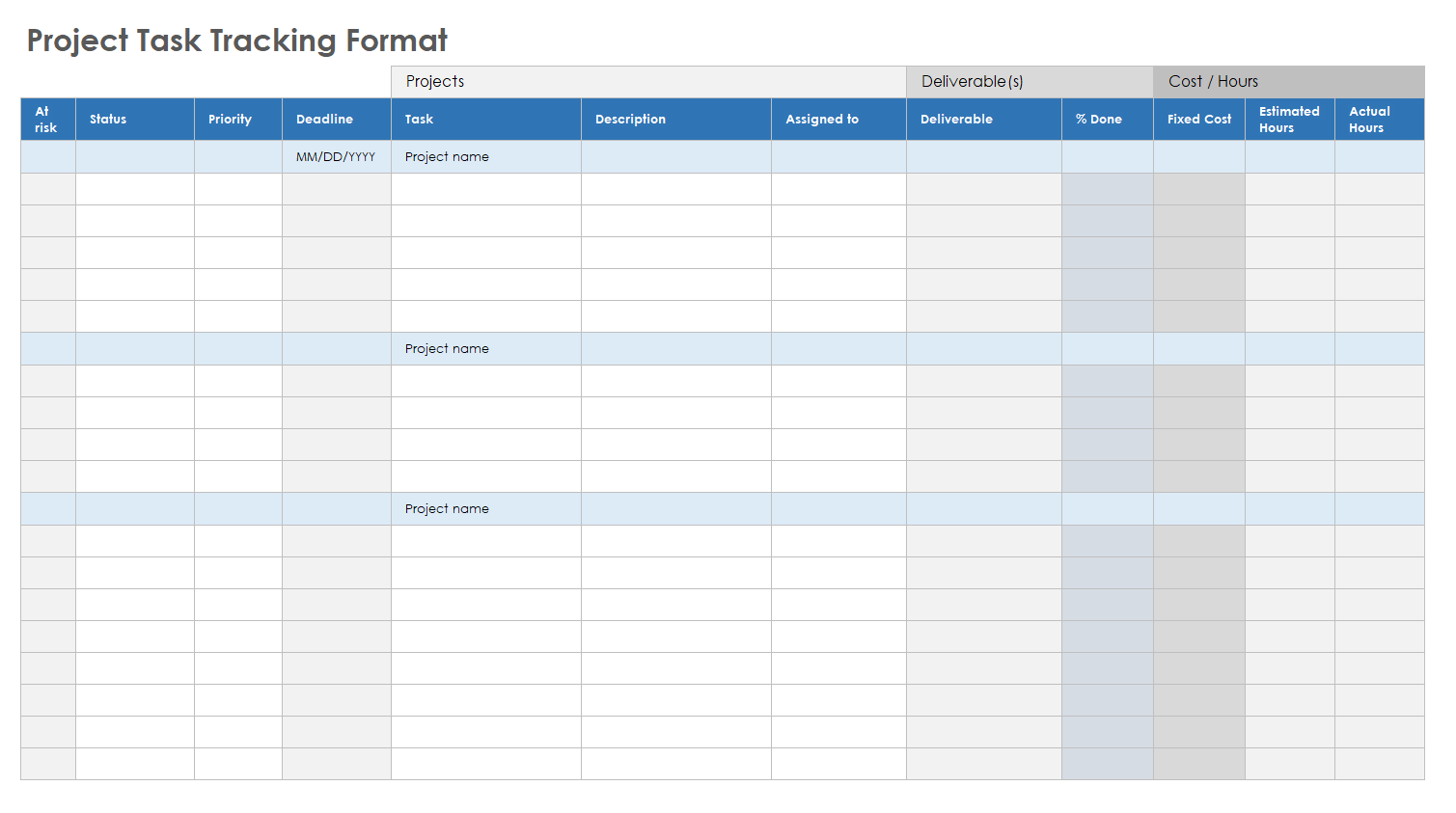
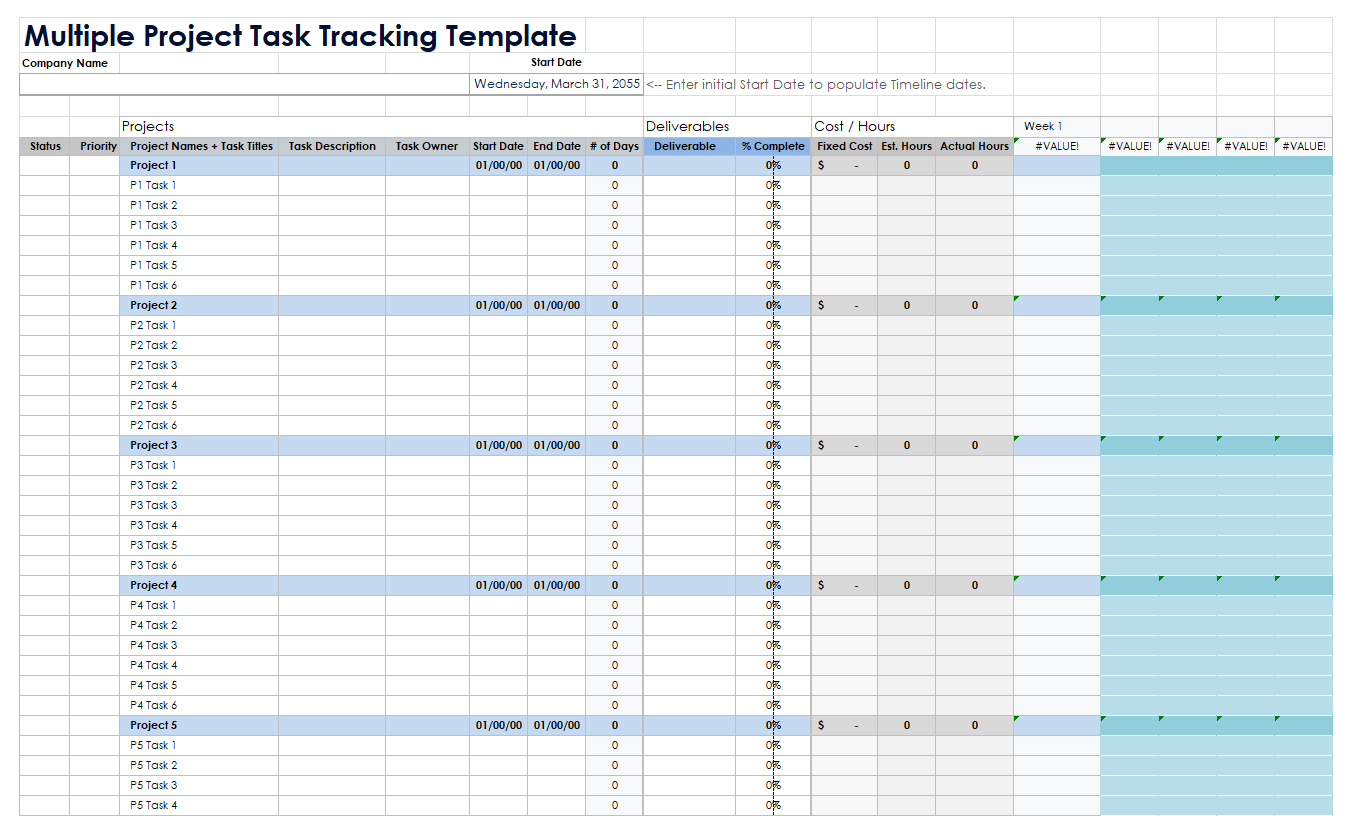
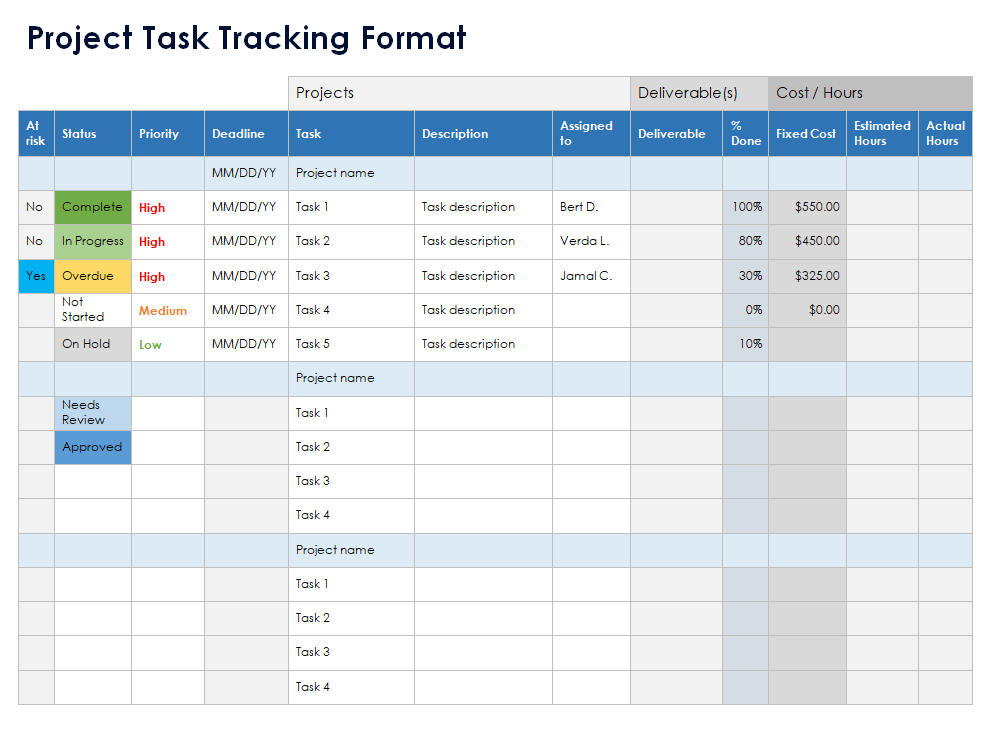
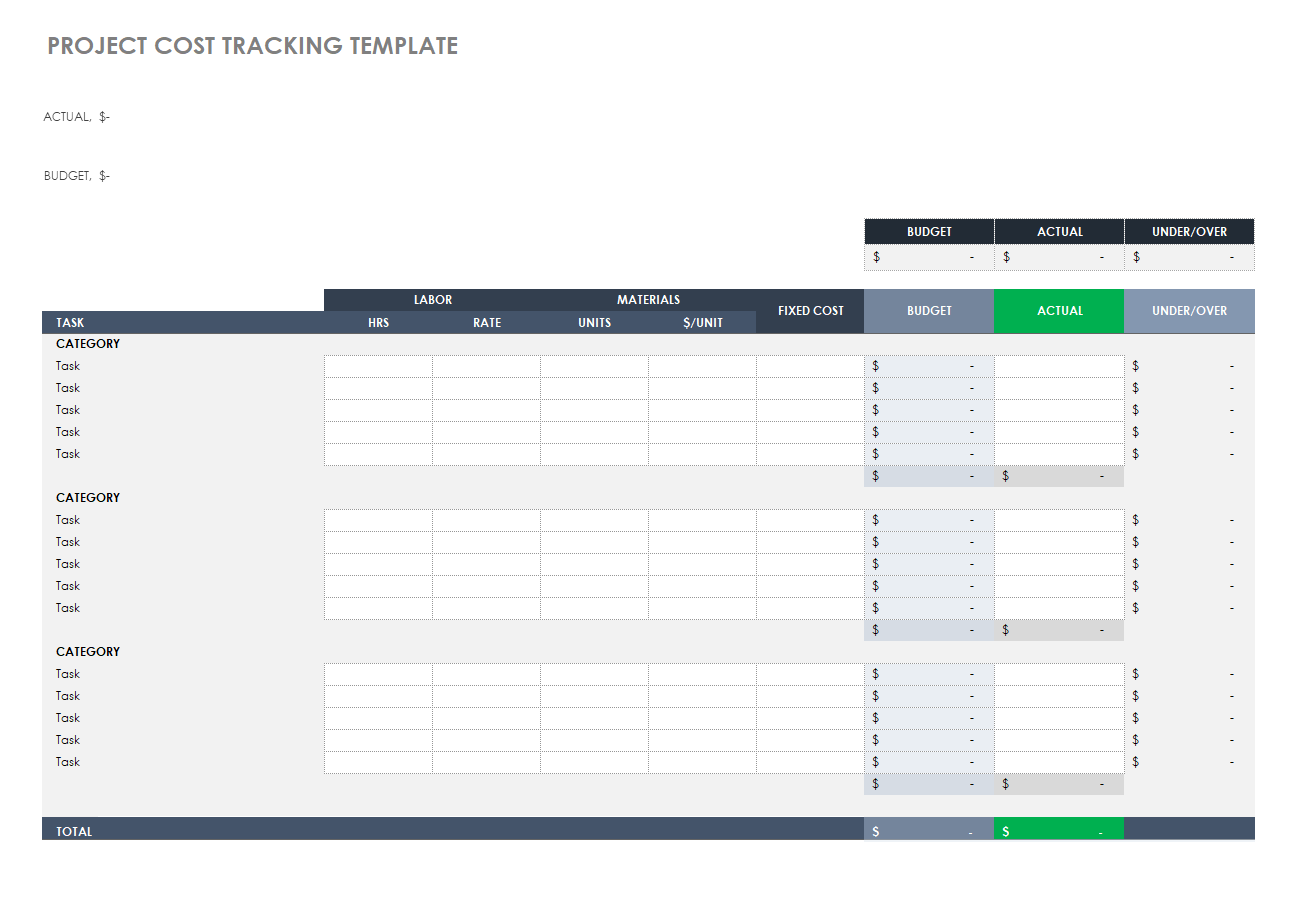
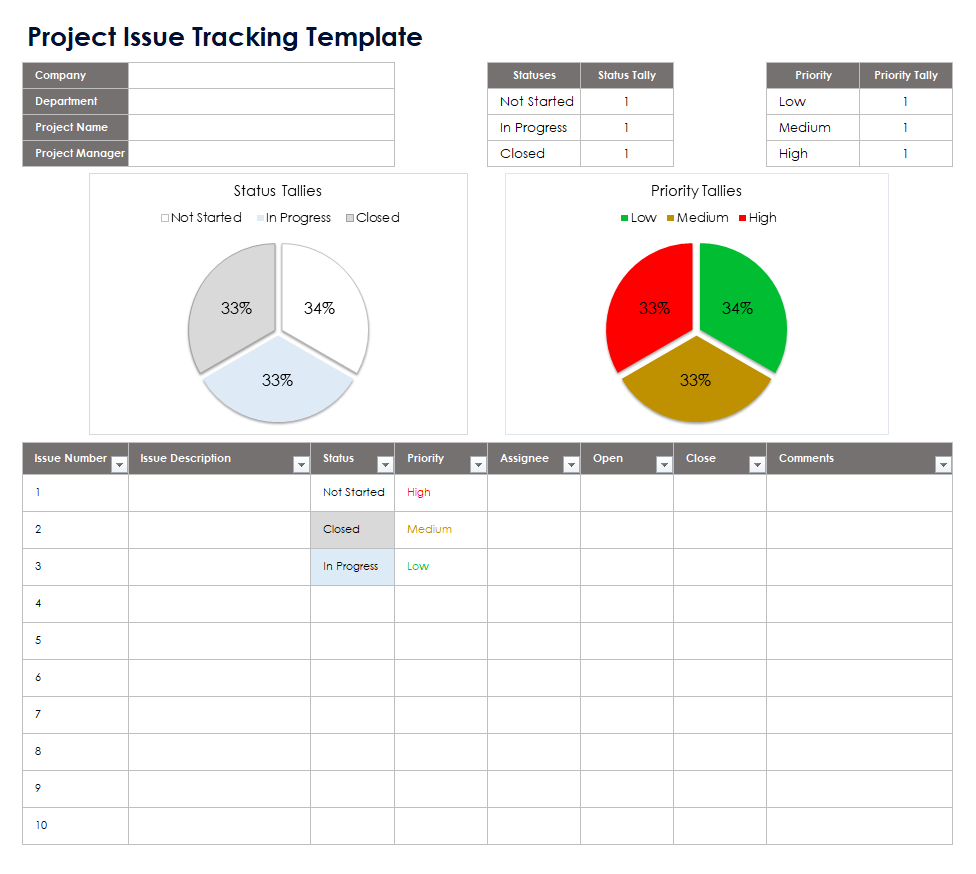
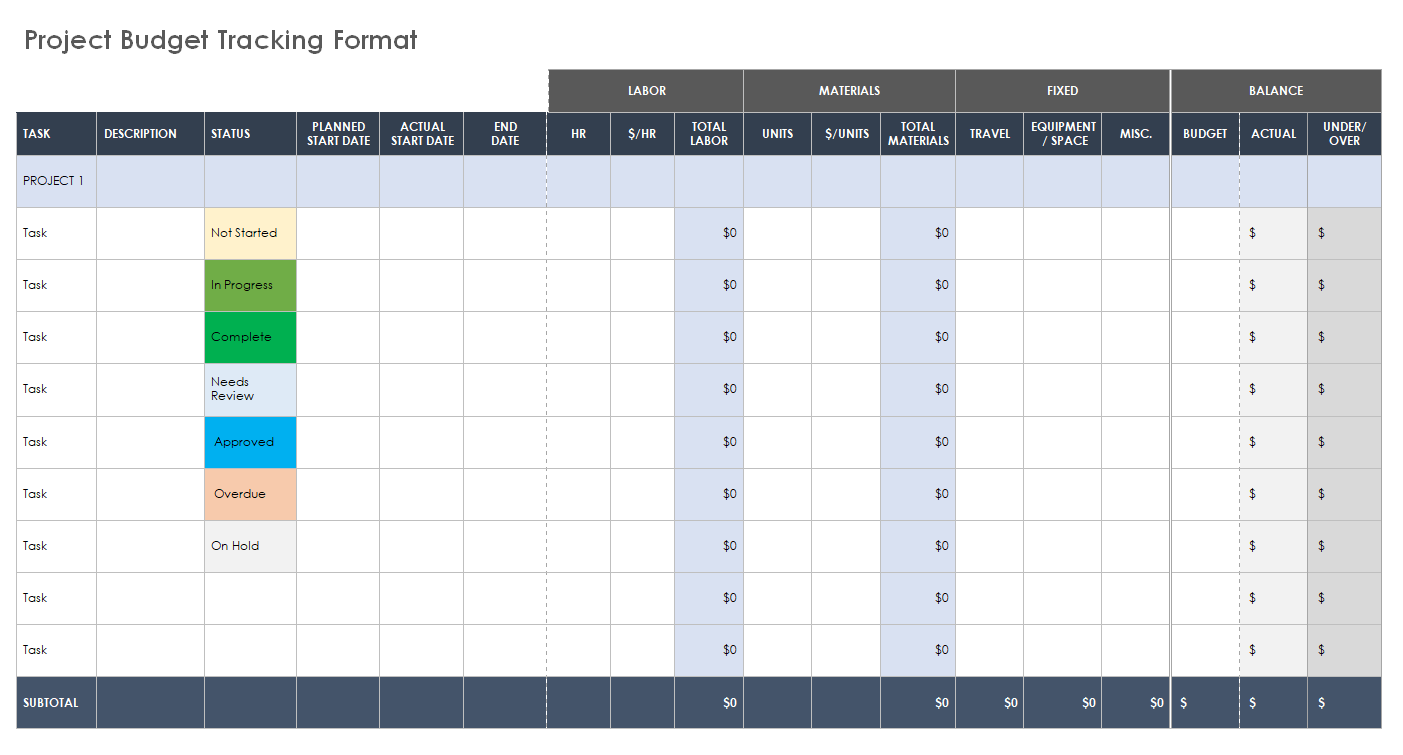
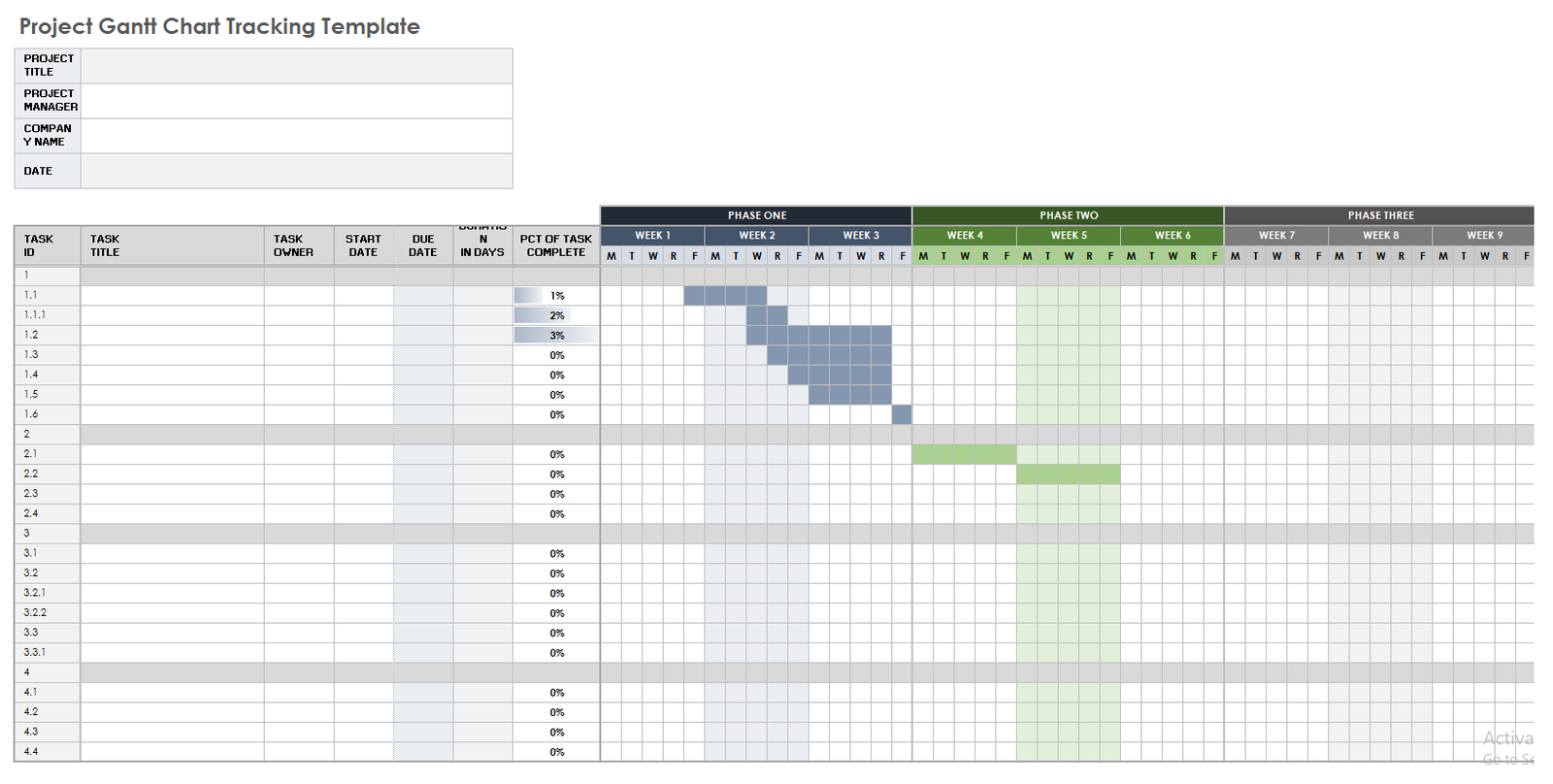
A project task tracking format offers an organized method for tracking advancement, locating bottlenecks, and allocating resources as efficiently as possible. Businesses can increase teamwork, cut down on delays, and boost overall productivity by putting in place an efficient tracking system. A strong task tracking system has many advantages. Teams can use real-time data to prioritize tasks, manage deadlines, and make well-informed decisions.
Key Components of a Project Task Tracking:
1. The success of a project depends on efficient project task tracking.
2. Productivity and teamwork are improved by a well-organized tracking system.
3. Teams can manage deadlines and prioritize tasks with the help of task tracking.
4. Making informed decisions is made easier with real-time data.
5. A strong tracking system maximizes resource allocation and minimizes delays.
Understanding of Project Task Tracking:
The project task tracking format is defined as the systematic structure used by a project manager to track and control tasks in a project. It contains multiple elements or basic components, as follows:
1. Task identification and assignment.
2. Progress tracking or reporting.
3. Deadline management.
4. Resource management.
The combination of these components creates a complete picture of the status of the project, allowing project managers to make decisions based on the information. The best task tracking formats will be flexible, allowing them to be modified as necessary to meet the individual needs of a project.
Adaptation of Task Tracking in Project Management:
Technological advancements and changing methodologies around how projects are managed have dramatically changed how task tracking occurs in project management. Previously, traditional (paper-based) methods such as Gantt Charts were used. Now, newer approaches, including Agile and Kanban, have significantly improved the task tracking process. Some of the more recent developments include:
1. The adoption of digital tools to facilitate task tracking. Digital Tools provide greater accuracy and increased productivity than their predecessors. For example, paper-based.
2. The adoption of Agile Methodologies in Project Management, like Agile Premise, places more emphasis on a project’s flexibility and the ability to adapt to the changing needs of a customer.
3. Using Visual Management techniques, like Kanban boards, helps teams be better able to communicate with each other about progress toward their team’s goal, such as team collaboration.
Fundamental Elements of effective Project Task Tracking:
While the evolution of task tracking continues to grow, the current developments focus on leveraging integration, like interoperability between systems and real-time data analysis, such as reporting on activity, to advance task tracking and project planning. In essence, the ability to track tasks effectively is an essential component of successful project outcomes. Moreover, creating an efficient task tracking system requires a collection of core elements, not simply tracking progress.
Task Identification and Classification:
For effective task tracking, it is critical that tasks are defined and organized. Tasks must be broken down into smaller tasks that can be completed and categorized according to their importance. For example, a task could be designated as a high, medium or low priority task or as a development task, testing task or design task. By organizing tasks in this manner, teams are able to determine what are the key tasks they should focus on and what resources to allocate to those key tasks.
Progress Monitoring Mechanisms:
The mechanisms for tracking progress of individual tasks enable teams to have an understanding of the progress made on these tasks. Among these mechanisms are status reports on a regular basis, the use of progress indicators and the capability to generate reports to provide an overview of the status. Having a visual representation of task progress enables managers to see where tasks are plateauing and enables managers to make informed decisions to keep the project moving forward. For example, the use of a Kanban board would enable all members of the project management team to visually see the status of each task.
Deadline Management Features:
Managing deadlines is an important aspect of task tracking, as this allows teams to set sufficient timeframes for all the tasks required for successful project completion. Sending reminder notifications and alerts prior to assigned task deadlines prevents teams from having to rush to finish their work at the last minute. It also aids in maintaining a well-organized flow of team projects with respect to meeting assigned deadlines. As such, these fundamental building blocks of effective task tracking are interdependent on themselves and extremely important for successful completion of projects. When teams develop an understanding of these three key elements, it will ultimately result in increased productivity and ultimately, the achievement of project objectives.
Types of Project Task Tracking Formats:
The way in which a team tracks tasks has a direct correlation with how well their project will turn out. Several formats are available that are specific to task tracking needs, depending on the project type and its requirements. Each project has unique requirements and, therefore, teams need to be familiar with the different formats available to effectively manage their projects.
Spreadsheet-Based Tracking Systems:
One popular method for managing tasks is to use a spreadsheet as a tracking tool. Spreadsheets give teams the ability to create their own customized tracking system to fit their individual needs. Microsoft Excel and Google Sheets are popular spreadsheet programs that offer capabilities including formulas, conditional formatting, and pivot tables to monitor and analyze task progress.
Kanban Boards and Visual Management:
Kanban boards provide a visual way to manage tasks by displaying cards or columns representing tasks and their status. Typically, Kanban boards allow teams to quickly see what is currently being worked on (work in progress) and where they are experiencing delays or bottlenecks. The visual aspect of Kanban boards allows teams to understand project status at a glance and thus make informed decisions. Some examples of tools that help popularize the Kanban approach are Trello and Asana.
Gantt Charts for Timeline Visualization:
Gantt charts provide a graphical representation of project tasks and timelines. These charts also show task dependencies between tasks and project schedules. Moreover, project managers can use Microsoft Project and Smartsheet as Gantt chart tools to manage and schedule complex projects, ensuring tasks are completed on time.
Agile and Scrum Tracking Methods:
Recently, Agile and Scrum methodology have become more valuable in the software development industry; both are characterized by being iterative with an emphasis on continuous improvement and adaptability. To keep teams organized in an agile or iterative way, many teams utilize Scrum Boards and tools such as Jira to help them through the planning stages by allowing them to keep track of their progress, flag any issues they are having, and ensure they remain flexible enough to handle any changes related to the project(s) they are working on.
In summary, the different formats for tracking tasks in a project will vary based on the nature of the tasks. The right type of tracking method will depend on various factors, including your team’s familiarity with that specific tracking process, how much information you want to store about each task, how long your team has been using that format for tracking tasks and where you see the project going after completion.
The Importance of Structured Task Tracking in Projects:
As you can see from the above information, having a well-structured approach to task tracking gives a project manager and team members a clearer understanding of who is accountable for what tasks, as well as providing clarity regarding deadlines for completion. It’s important to have a structure in place for tracking tasks as it helps ensure that team members know what they need to do to complete a project, allowing for project success and productivity.
Enhancing Team Accountability and Transparency:
Structure your task tracking to improve accountability by providing a clear definition of who is assigned what and by when. If the individuals know what is expected of them, they will stay on course and fulfill their commitments. Additionally, there will be increased momentum towards completion of the assignment with shared transparency among all stakeholders keeping them informed of real-time status updates throughout the project.
Example: When using a task tracking system, the team leader can assign an individual (team member or contractor) to a task; provide them with deadlines and view their progress along the way. This allows team members to have greater accountability and a culture of transparency to thrive within the organization while working together toward the WHOLENESS OF GOD’S REIGN ON EARTH.
Improving Resource Allocation and Utilization:
Effective task tracking increases productivity by providing insight into how resources will be used on a given assignment. Therefore, an understanding of how many resources will be used gives project managers the information necessary to effectively allocate resources to reduce waste while increasing productivity. This level of understanding gained from structured task tracking allows project managers to better manage resource allocations throughout the life of each project in order to keep each project on schedule or within its defined scope, as necessary.
Facilitating Clear Stakeholder Communication:
The structured task tracking allows for clear communication with all stakeholders through regular updates on project progress. The stakeholders have access to up-to-date information in real-time, thereby reducing the number of times there are status update meetings. This allows stakeholders to stay informed about and engaged within their project for the entire life cycle of the project.